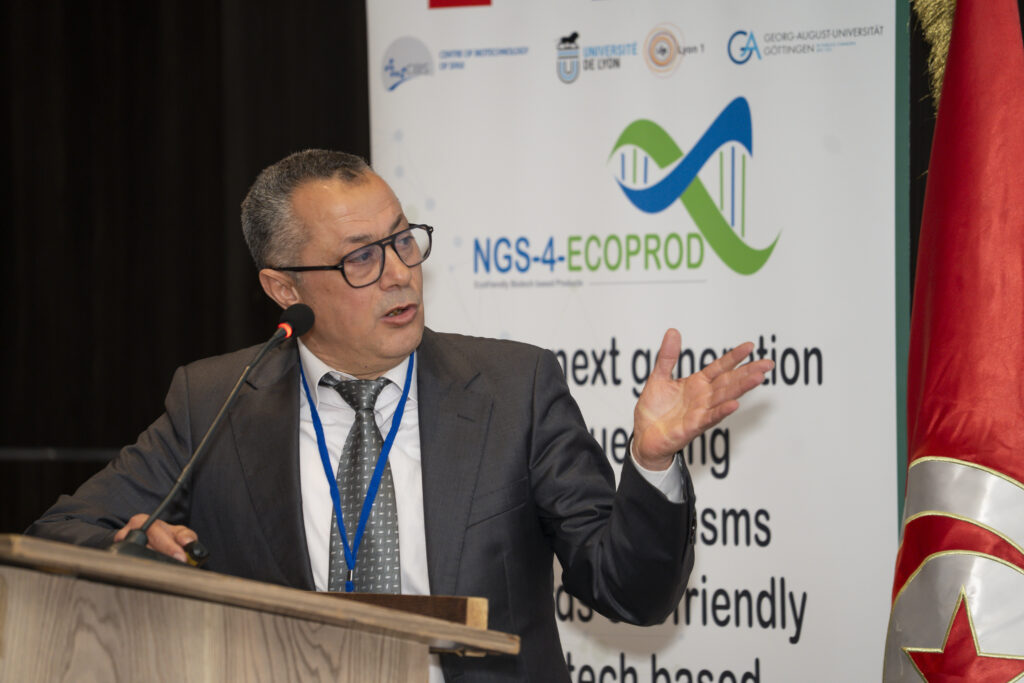
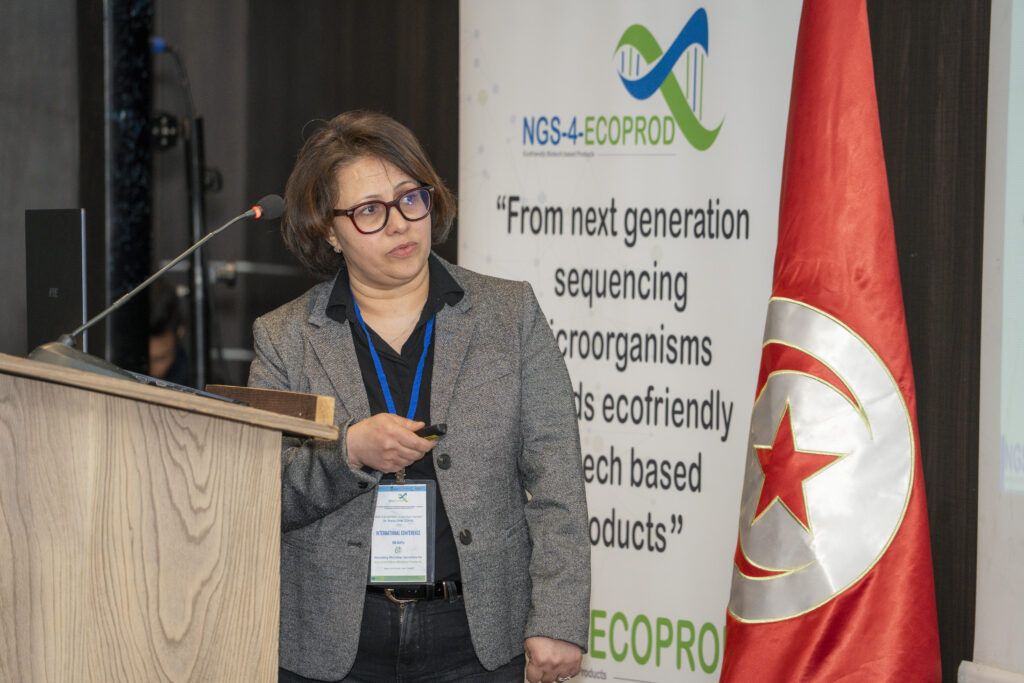
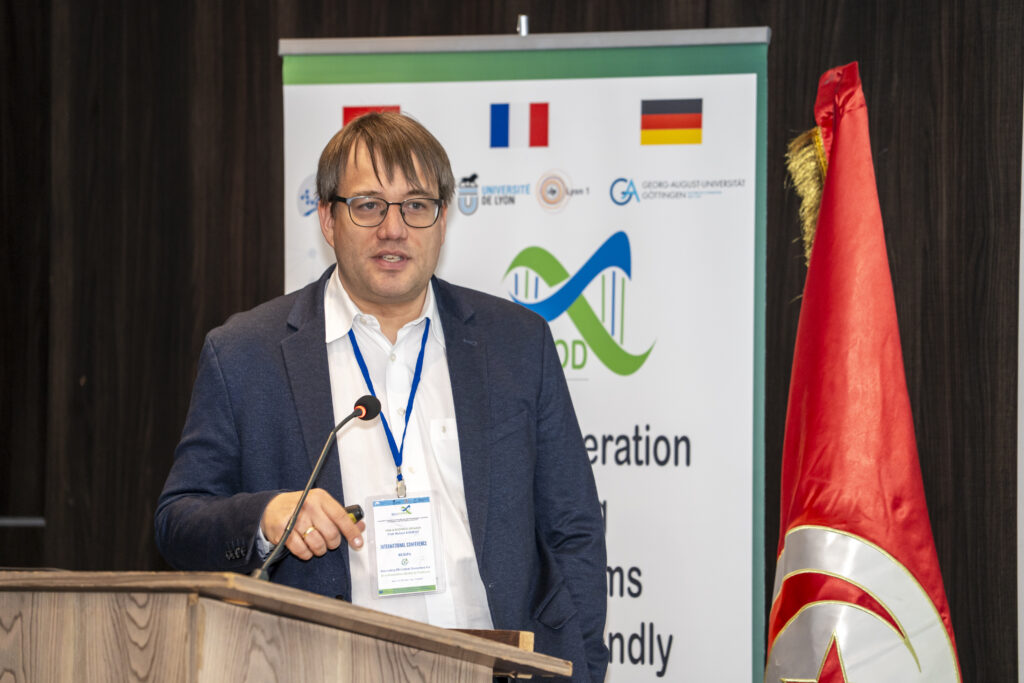
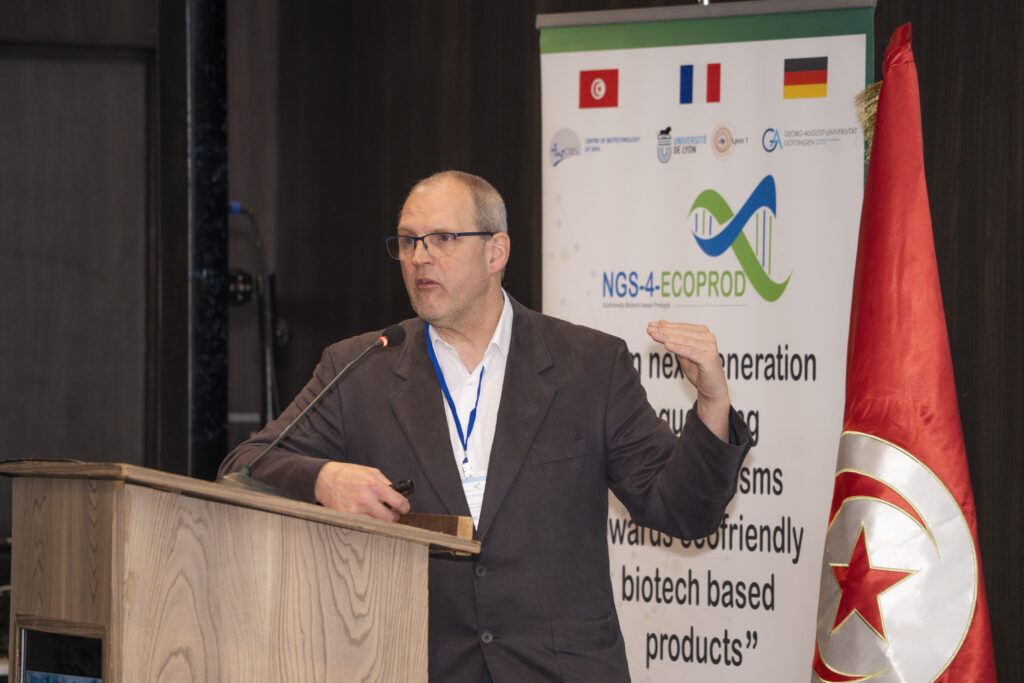
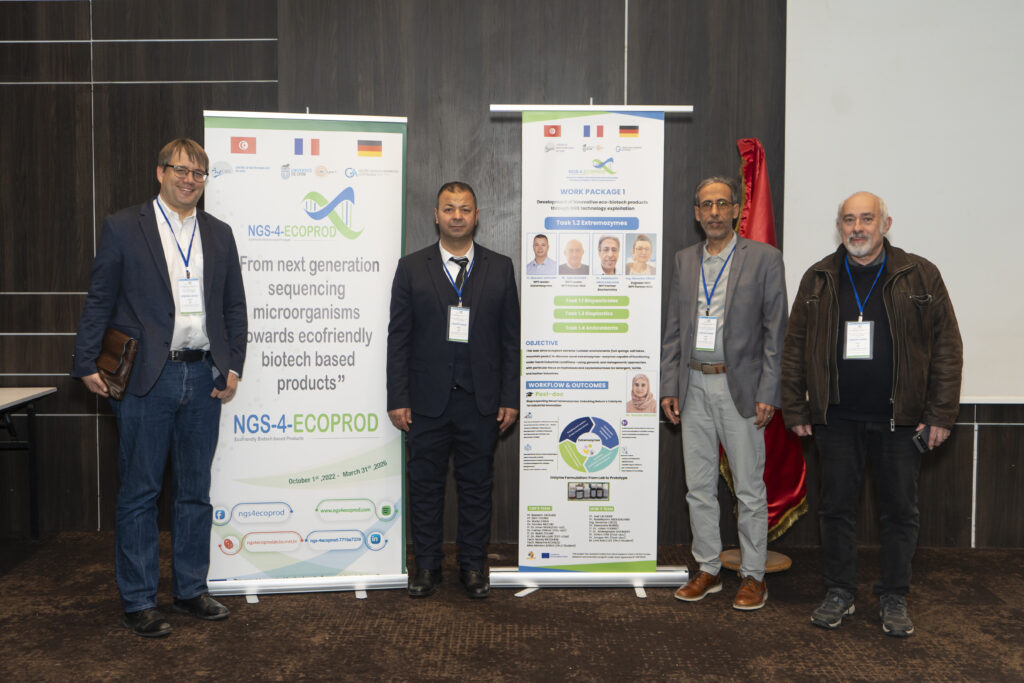
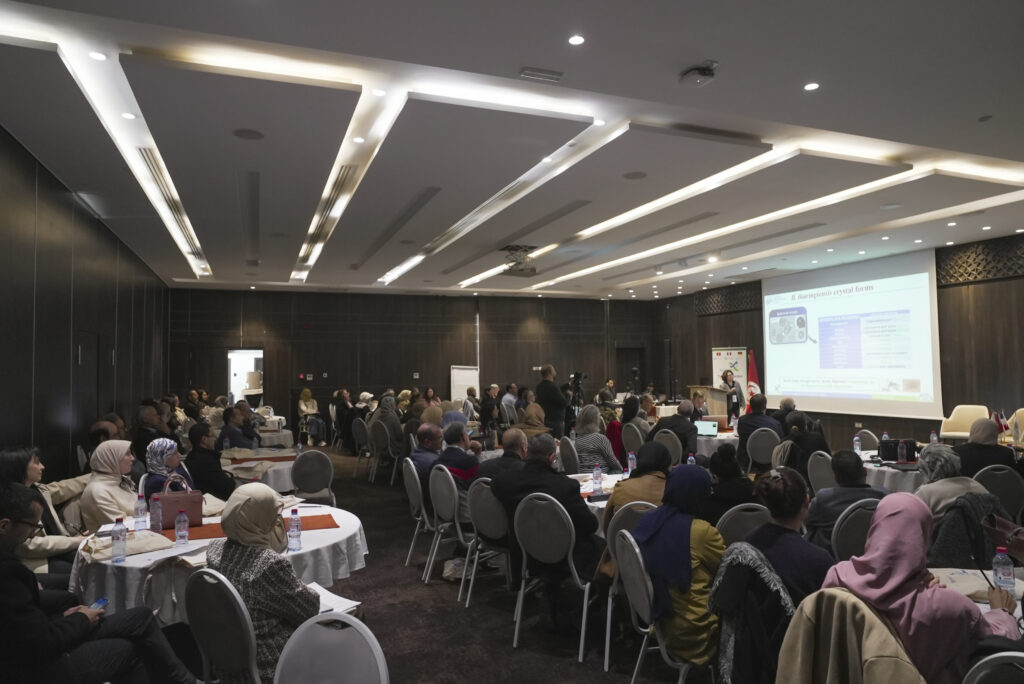
International Conference: Decoding Microbial Genome for Eco-Innovative Biotech Products
Day 1 – Biopesticides and Enzymes
📅 Date:
📍 Location: Radisson Hotel Sfax, Tunisia
📦 NGS-4-ECOPROD Work Package: WP4 – Dissemination, Exploitation, Communication, and Data Management
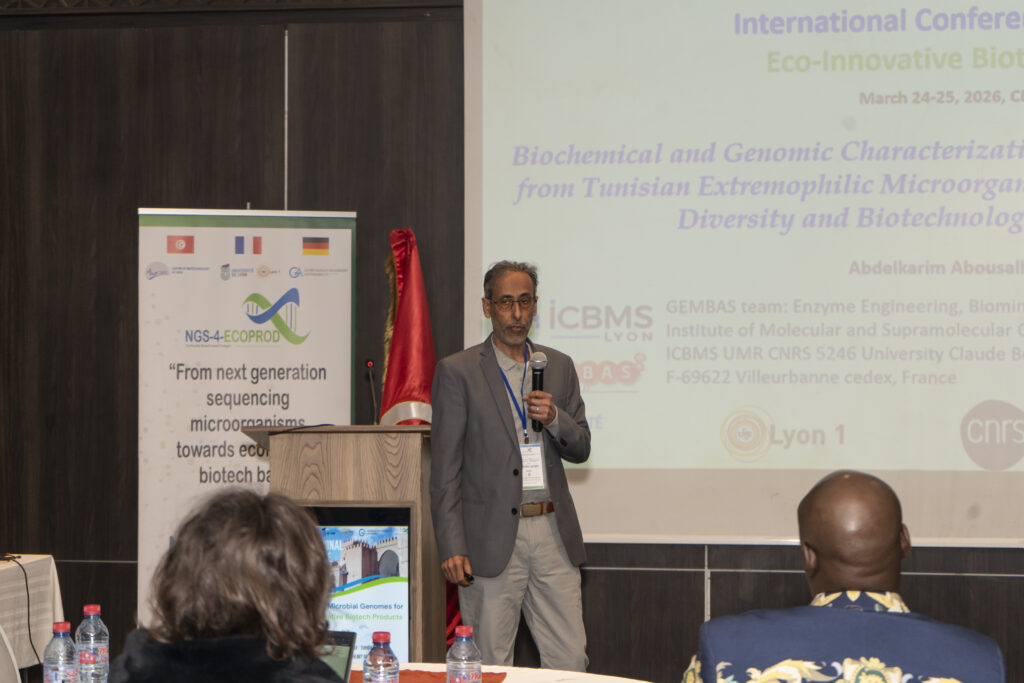
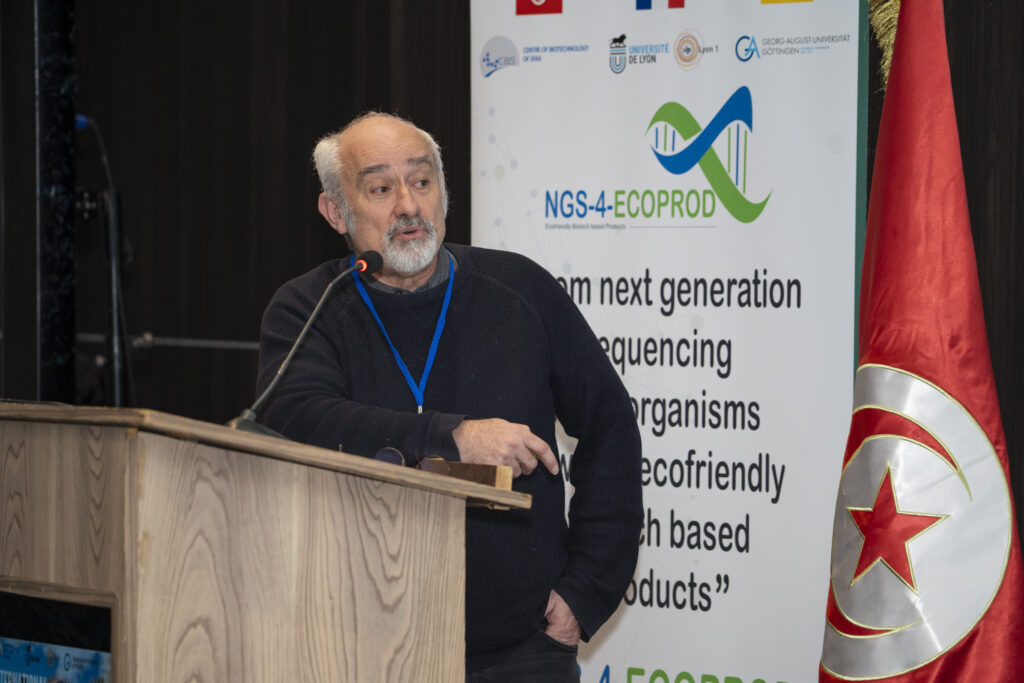
The first day of the conference focused on two major themes: Biopesticides and Enzymes, highlighting the contribution of next-generation sequencing technologies to the development of eco-innovative biotechnological products.
The biopesticides session addressed advances in Bacillus thuringiensis genomics, Cry toxin engineering, microbial pathogenicity mechanisms, and sustainable pest management solutions. International experts from the United States, Germany, and Tunisia presented cutting-edge research demonstrating how microbial genome analysis can accelerate the development of environmentally friendly biopesticides.
The enzymes session explored innovative approaches for enzyme discovery, characterization, and engineering. Topics included computational enzyme engineering, microbial hydrolases and oxidoreductases, extremophilic enzymes, genome characterization, and actinomycete ecology. These presentations illustrated the growing role of microbial enzymes in supporting sustainable industrial processes and the circular bioeconomy.
The day provided an excellent opportunity for scientific exchange and networking among researchers, students, and stakeholders involved in biotechnology and microbial genomics.
Day 2 – Bioinformatics, Health and Bioplastics
📅 Date:
📍 Location: Centre of Biotechnology of Sfax, Tunisia
📦 NGS-4-ECOPROD Work Package: WP4 – Dissemination, Exploitation, Communication, and Data Management
The second day of the conference was dedicated to Bioinformatics & Health and Bioplastics, two strategic research areas that play a crucial role in addressing current environmental and societal challenges.
The bioinformatics session highlighted the growing impact of artificial intelligence and genome sequencing technologies on health sciences and biomedical research. Participants gained valuable insights into emerging trends in bioinformatics, as well as the progress achieved in genome sequencing and data analysis in Tunisia and beyond.
The bioplastics session focused on sustainable alternatives to conventional plastics, including the production of microbial polyhydroxyalkanoates (PHAs) and the application of next-generation sequencing tools to study complex microbial communities involved in environmental biotechnology.
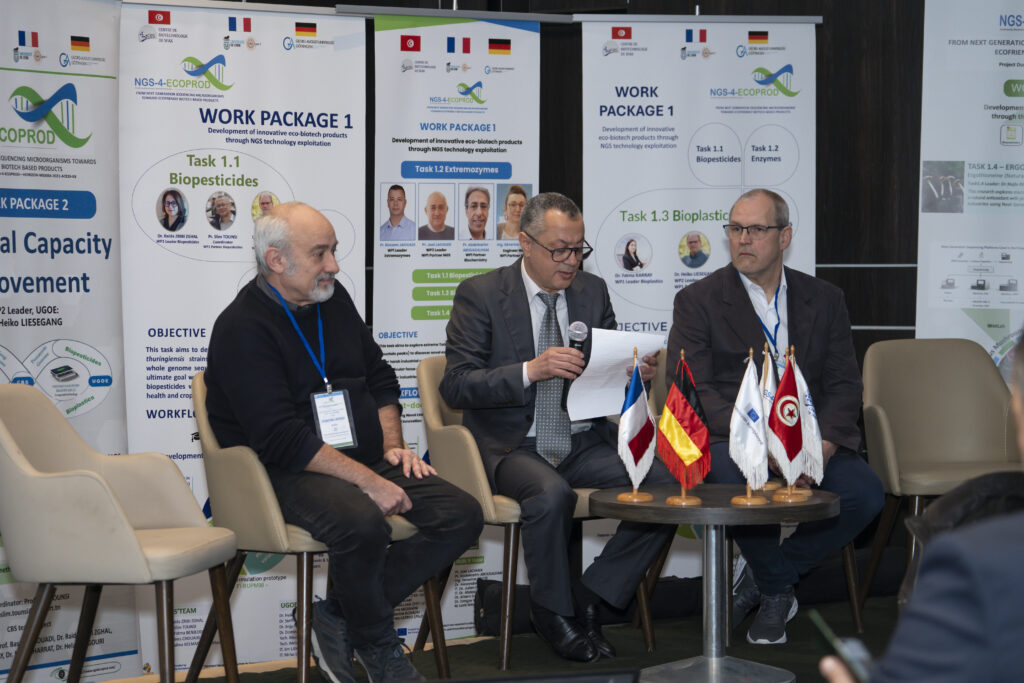
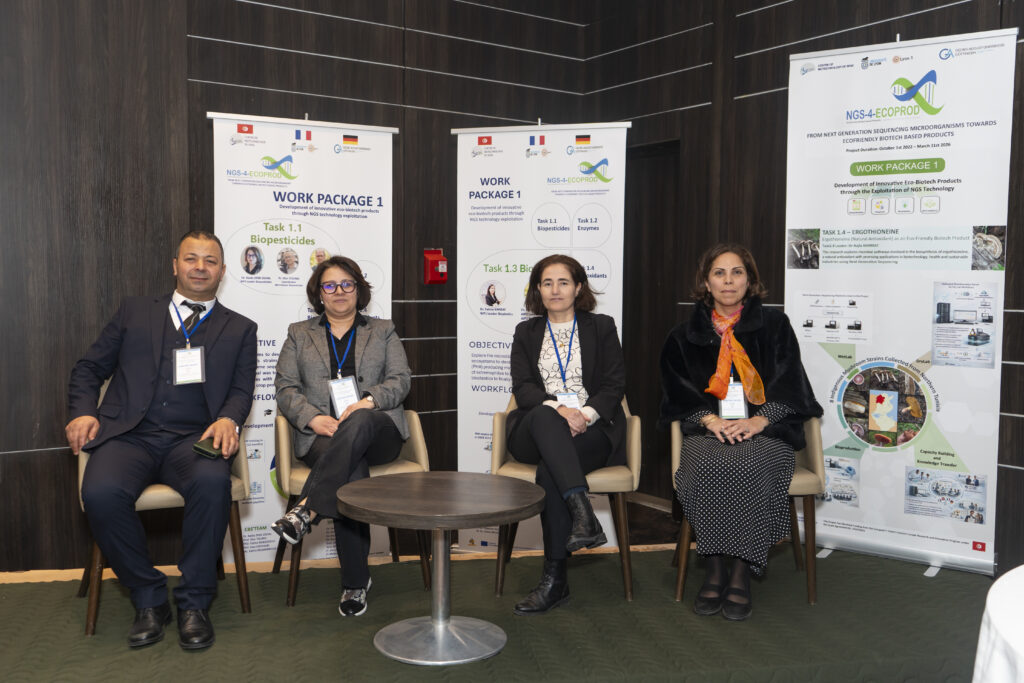
The conference concluded with a final discussion session that encouraged the exchange of ideas, identification of future research opportunities, and reinforcement of international scientific partnerships, fully aligned with the dissemination and networking objectives of WP4.