Workshop: « From Raw Reads to Results – Command Line Validation of Fungal Data »
Date :July 22, 23, 24, 29, and 30, 2025
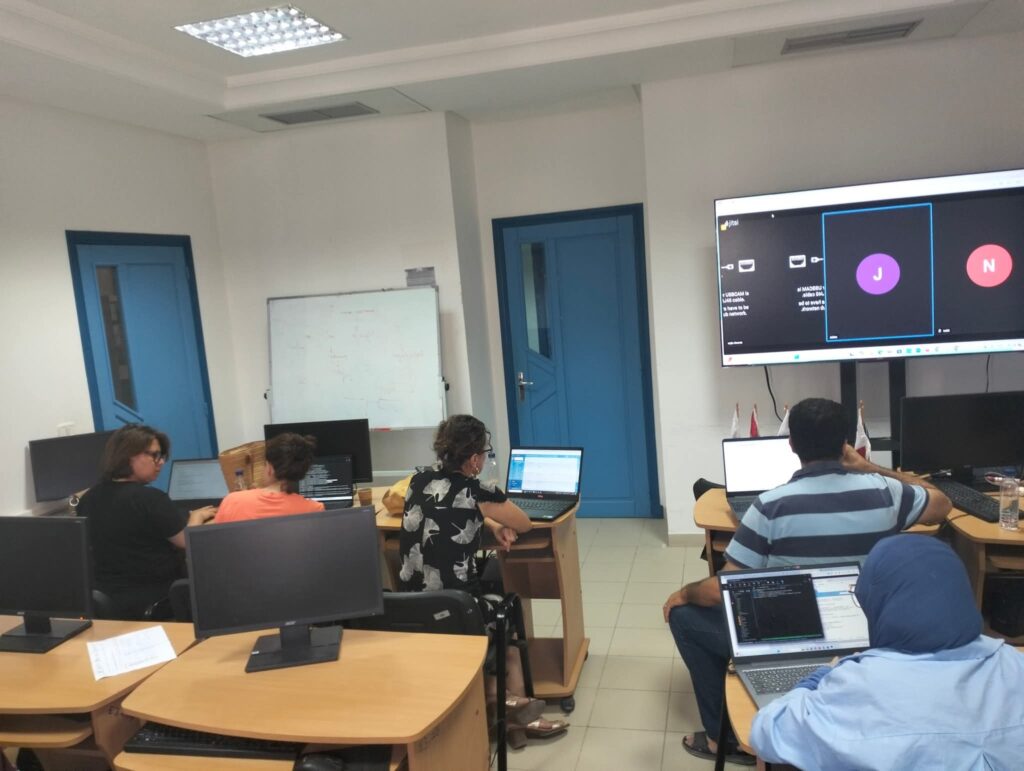
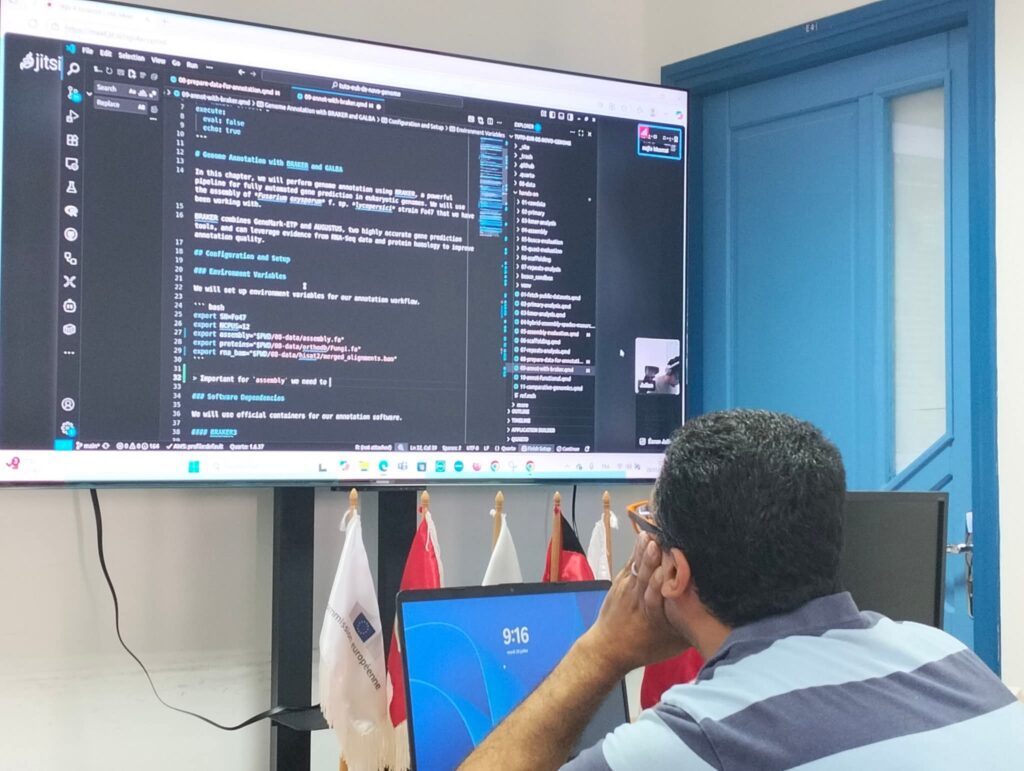
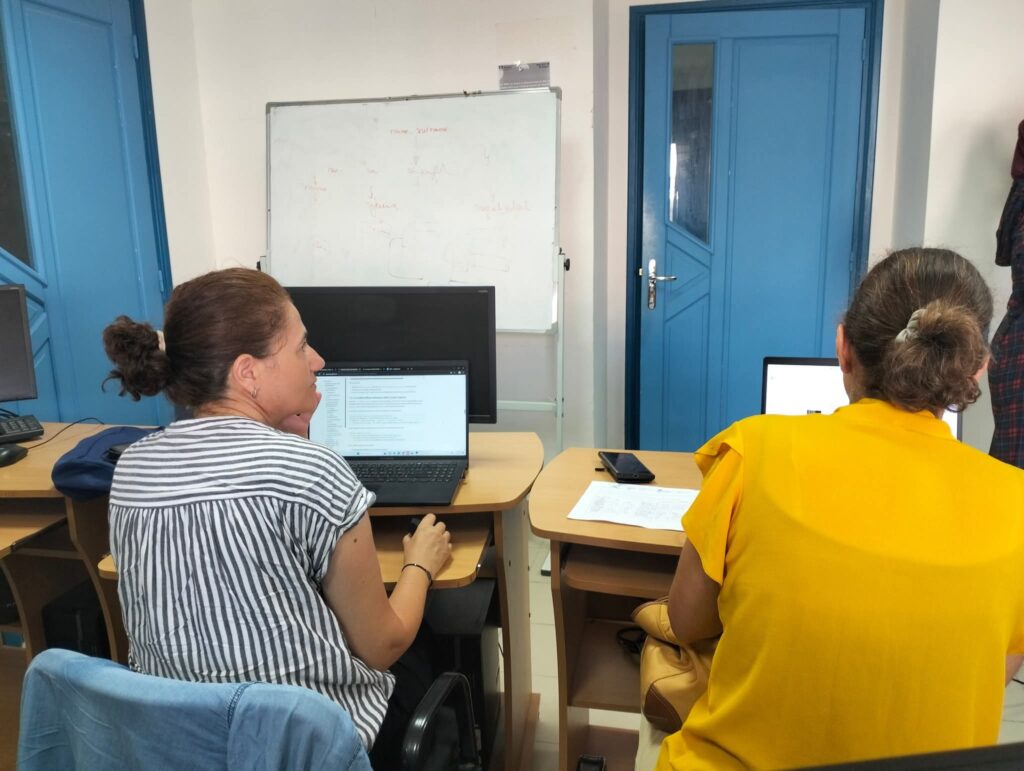
As part of Work Package 3 (WP3) of the NGS-4-ECOPROD project, a technical workshop entitled « From Raw Reads to Results: Command Line Validation of Fungal Data » was held in a hybrid format on July 22, 23, 24, 29, and 30, 2025.
The workshop was led by Julien Fourret, a specialist in bioinformatics and fungal genomics. It aimed to provide participants with hands-on experience in the processing and validation of fungal sequencing data using command-line tools — a crucial step in ensuring the quality and reproducibility of genomic analyses in ecoproduction research.
Objectives of the Workshop
- To introduce participants to essential command-line tools and workflows used in fungal data processing
- To train researchers on best practices for quality control, data filtering, and validation of sequencing outputs
- To foster autonomy in handling next-generation sequencing (NGS) data in the context of environmental and agricultural microbiomes
Workshop Format and Audience
- Format: Hybrid (on-site and online participation)
- Duration: 5 sessions over two weeks
- Target Audience: Researchers, PhD students, and technical staff involved in WP3 and other NGS-related tasks within the NGS-4-ECOPROD project
Content Overview
Participants were guided through:
- Raw read inspection and quality control (e.g., with FastQC)
- Trimming and filtering steps (e.g., using Trimmomatic or Cutadapt)
- Sequence alignment and assembly basics
- Introduction to fungal-specific reference databases
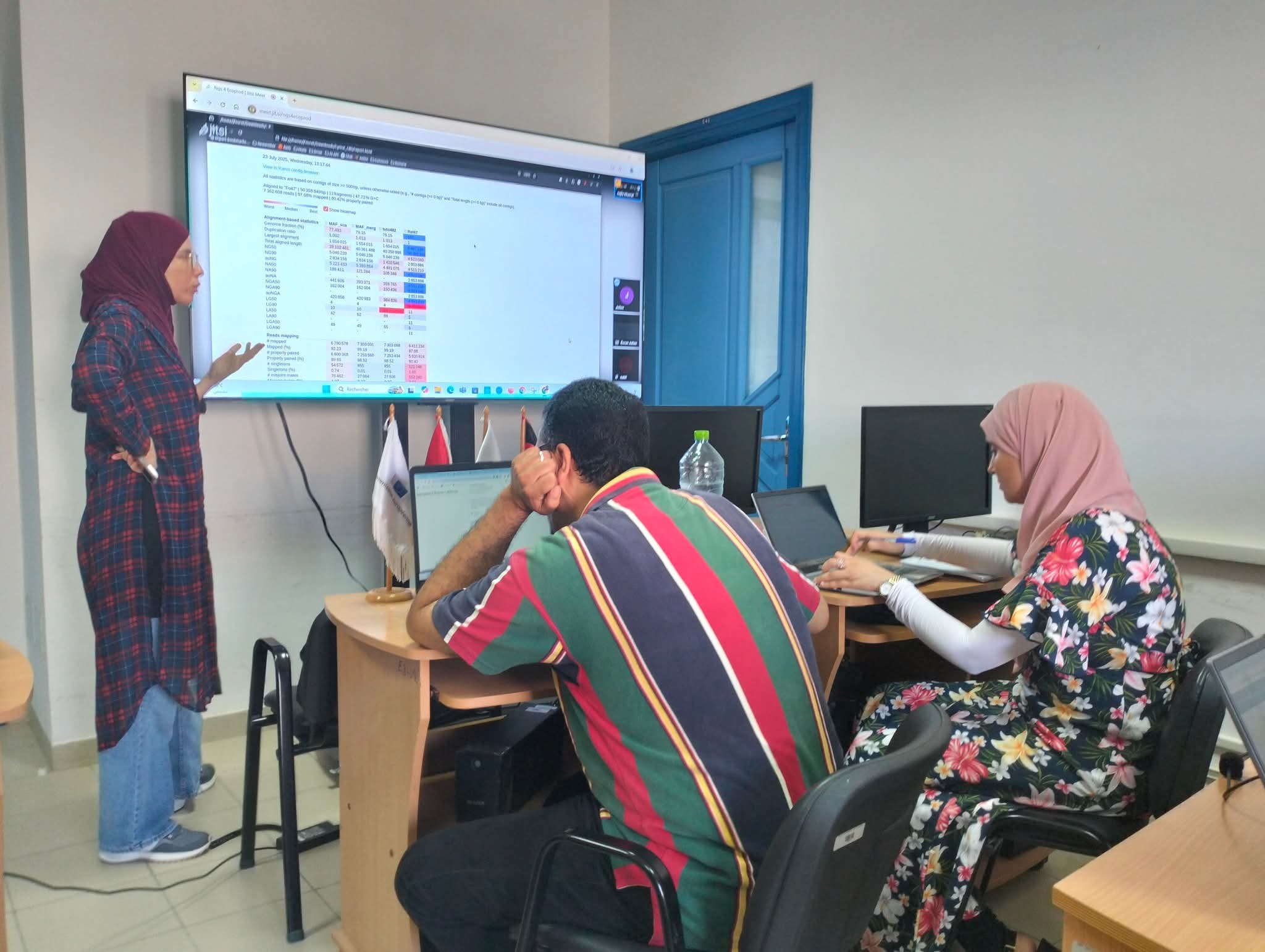
- Validation metrics and reporting practices
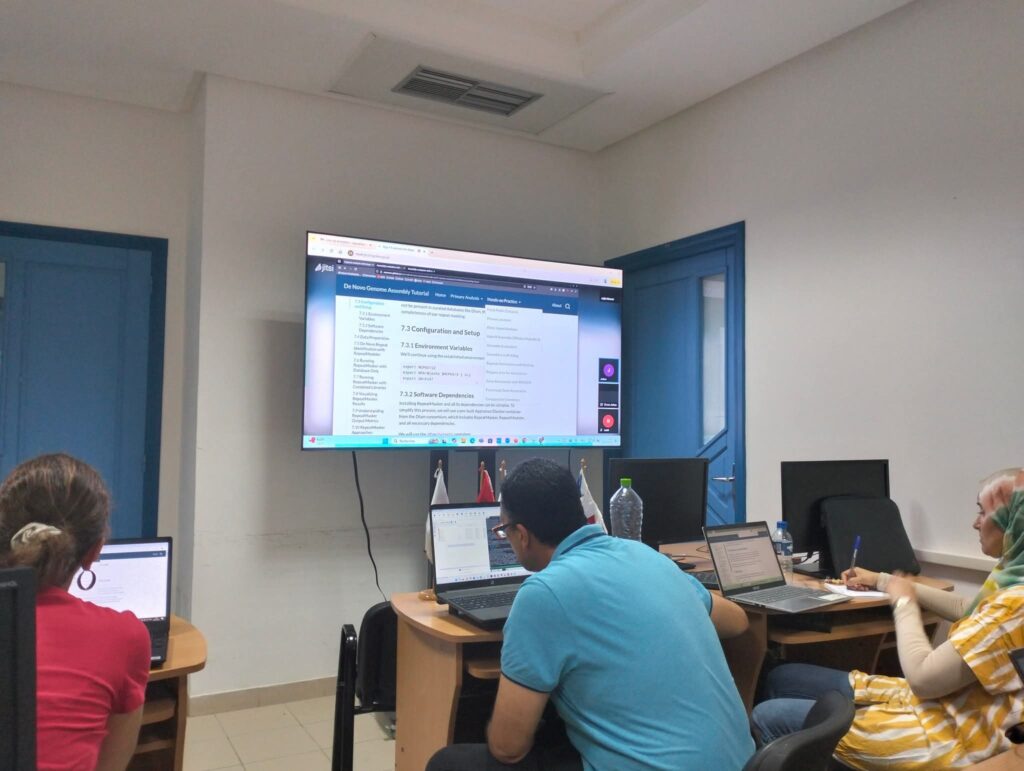
The workshop combined theoretical lectures, live demonstrations, and practical exercises, allowing attendees to follow along with their own data or test datasets.
Impact and Feedback
This workshop significantly contributed to capacity building within the consortium, enabling teams to better handle fungal datasets relevant to sustainable agricultural systems. Participants appreciated the balance between theory and practical implementation, and follow-up sessions are being considered based on the feedback received.