Infrastructure Design of CBS Server and Crew Training
📅 Visit of Dr. Heiko Liesegang – Last Week of May 2025
📍 Centre of Biotechnology of Sfax (CBS)
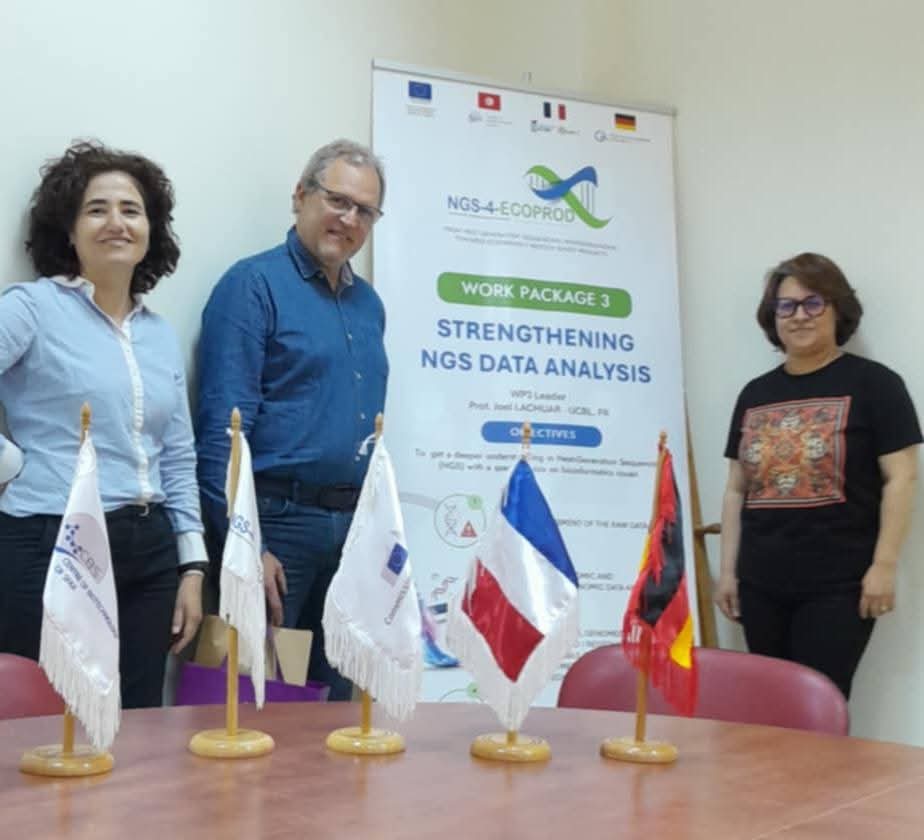
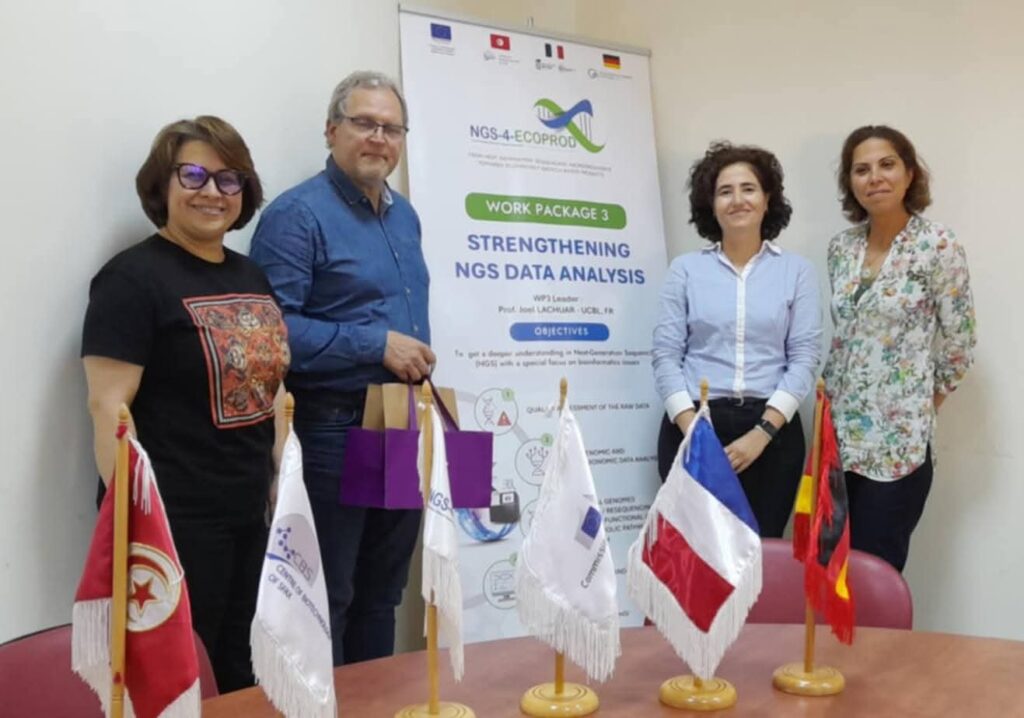
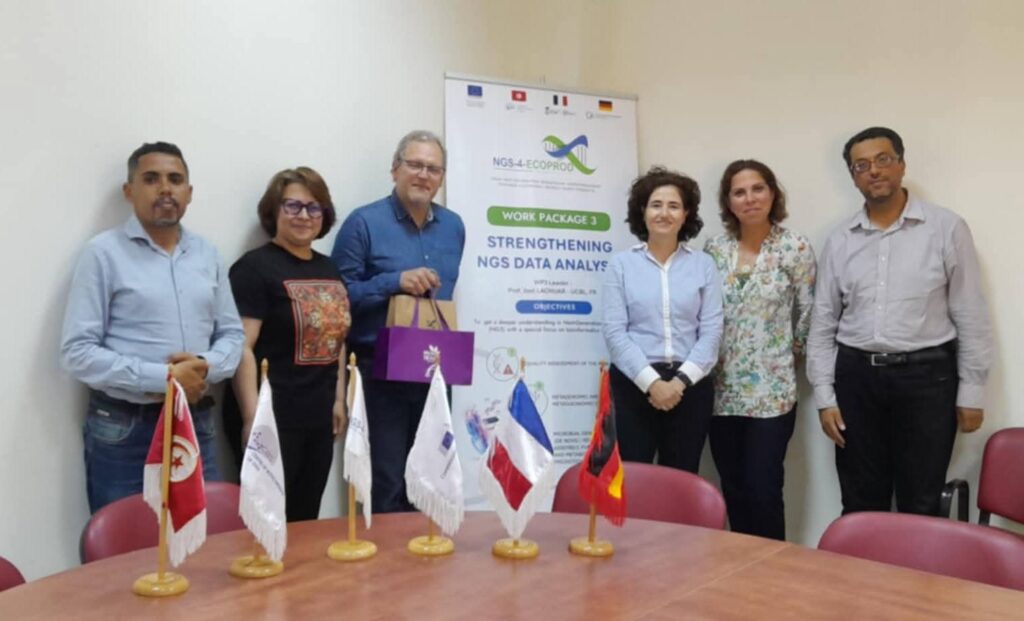
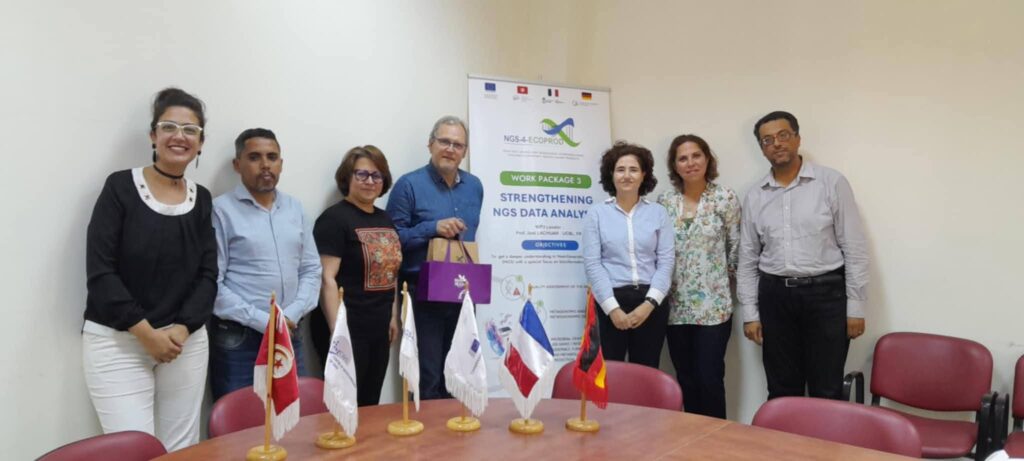
As part of the ongoing collaboration within the NGS-4-ECOPROD project, Dr. Heiko Liesegang, partner from the German consortium and expert in data management and bioinformatics infrastructure, visited the Centre of Biotechnology of Sfax (CBS) during the last week of May 2025.
This visit focused on strategic discussions and hands-on planning related to the design and implementation of the local server infrastructure intended to support the bioinformatics workflows of the project, particularly within the scope of Work Package 4 (WP4): Data Management and IT Support.
Key Objectives of the Visit
- To assess the existing IT infrastructure and identify technical requirements for server deployment
- To provide expertise in the design of a scalable, secure, and high-performance bioinformatics server
- To define data storage, processing, and backup protocols aligned with FAIR data principles (Findable, Accessible, Interoperable, and Reusable)
- To deliver targeted training for CBS technical staff on system maintenance, data handling, and access control
Activities and Outcomes
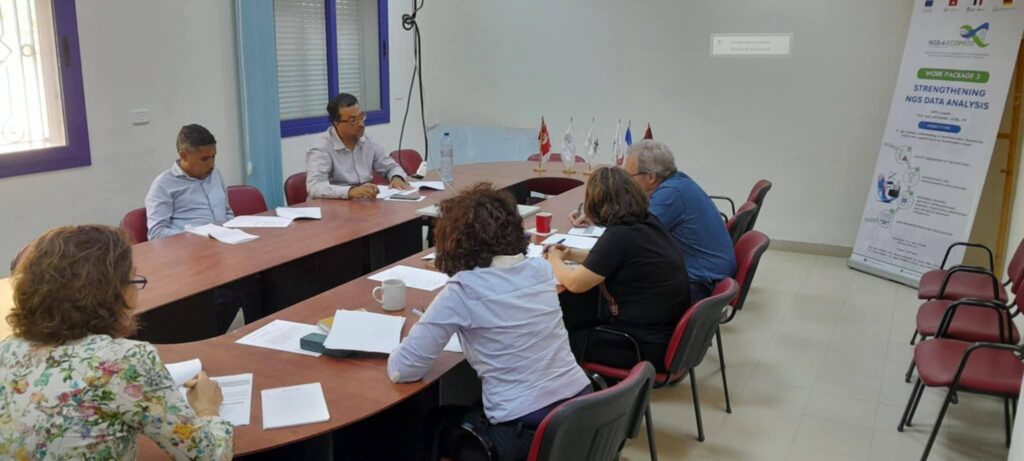
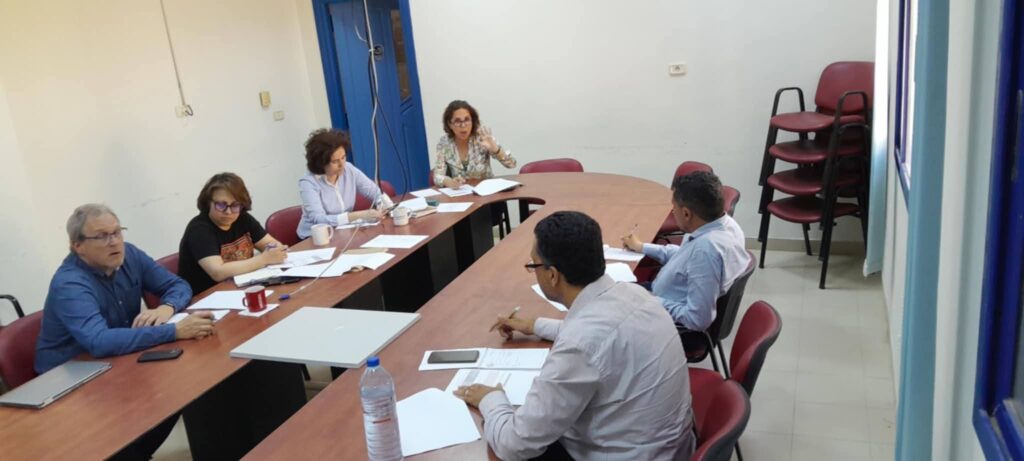
Throughout the week, several working sessions were conducted involving CBS system administrators, researchers, and NGS-4-ECOPROD project members. Key outcomes included:
- A preliminary blueprint for the CBS server infrastructure, including hardware and software specifications
- Selection of key tools for data management and user access control
- Scheduling of follow-up training modules and documentation workflows for long-term sustainability
- Strengthened collaboration between CBS and the German partner institution, fostering knowledge exchange and technical upskilling
This technical visit represents a critical step towards ensuring that CBS hosts a robust infrastructure capable of supporting high-throughput sequencing data, collaborative research, and secure long-term data stewardship.
🔧 The initiative lays the foundation for empowering local teams with the necessary tools and skills to manage and analyze complex genomic datasets, in full alignment with the project’s mission to promote eco-innovative solutions for sustainable agriculture.